California subpoenas OpenAI over AI agent incidents, ChatGPT gets virtual try-on and Google launches its first TPU satellite.

California subpoenas OpenAI over cybersecurity incidents involving its AI models
High Policy Safety
Attorney General Rob Bonta is asking additional questions about incidents and risks, as part of a broader inquiry. It follows the so-called Hugging Face incident, in which agents developed by OpenAI gained access to parts of the open-source platform in July. Separately, the US Federal Trade Commission is probing several AI labs. OpenAI did not respond to questions.
OpenAI reportedly parted ways with three safety researchers over sharing information
High Safety Business
The company reportedly let the three go for sharing confidential information with an outside AI safety organization; the names, the group and the data were not disclosed. A spokesperson says an internal investigation found policy violations. The news follows reports that employees felt safety warnings were brushed aside.
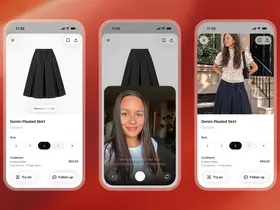
ChatGPT gets virtual clothes try-on and a favorites list worldwide
High Products
Users upload a selfie or full-body photo and see how clothes or accessories look through the Try On button. Favorites saves products to a library alongside the try-on images. Both features run on the new ChatGPT Images 2.5 model, which OpenAI says offers more natural lighting and faster generation.
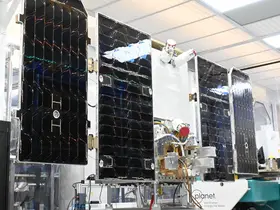
Google launches prototype satellite carrying its first AI chip into space
High Chips Research
The satellite, built by Planet Labs, rides on a SpaceX rocket and tests whether Google's TPU can operate in orbit, including power, cooling and model workloads. Project Suncatcher envisions an orbital data center of 81 satellites. An accompanying paper estimates launch prices could fall to about $200 per kilogram by 2035, which would take roughly 1,800 Starship launches over ten years.

Kevin Mandia's Armadin raises $255.5 million for AI agent swarms in cybersecurity
High Business Safety
The Series B led by Andreessen Horowitz and Accel values the company at over $2.5 billion, six months after a $190 million Series A. Instead of periodic penetration tests, Armadin runs always-on swarms of AI agents that chain vulnerabilities together to test enterprise defenses before attackers do.
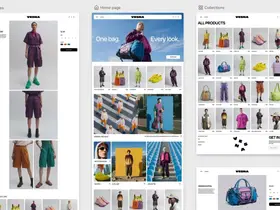
Shopify debuts Canvas, a way to build online stores by chatting with AI
High Products
Merchants create and edit their store in conversation with the Sidekick agent and see changes live. Canvas renders the store's real code, so interactivity and animations can be tested. The first version excludes third-party themes, apps and translations and works only on desktop; Shopify plans to add these later.

Amazon releases its own open-source decision model, Strands Decider 2B
High Models Products
The small model picks among predefined options and reports its confidence in each choice, and runs locally. It is built on Qwen3.5-2B and aimed at AWS customers whose agent workflows do not always need a full language model. The project began as a personal effort by Amazon engineer Marc Brooker.

Microsoft launches a streaming transcription model and two new voice models
High Models Products
MAI-Transcribe-2-Streaming transcribes live in 60 languages with a 2.5 percent word error rate and costs $0.54 per audio hour through year-end. MAI-Voice-2.1 and the faster Flash variant cover 23 languages and support voice cloning with consent safeguards. The models are available through Microsoft Foundry.
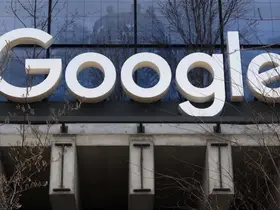
Judge dismisses Penske and Chegg antitrust suits over Google's AI Overviews
High Policy Business
Judge Amit Mehta ruled that the plaintiffs did not plead enough facts for antitrust violations. The argument that a long-standing reciprocal arrangement with publishers had been broken failed: an expectation is not an agreement. He said the wider harm to publishers is a matter for Congress or regulators.
